I had never heard the expression existential fear before, until I got to know the German reality.
What is this so-called existential fear or anxiety? This is the same “Existenzangst” that Germans (and Europeans in general) constantly repeat. It seems like they are afraid of an imaginary enemy waiting just around the corner to destroy lives.
People are afraid of losing things they have, they are afraid of losing the source of their livelihood and income. Why is this such a big problem?
Let’s go deeper.
Well, I’m not a therapist, I’m just an observer and honestly, it is difficult to understand why people suffer so much from an imaginary “illness”.
You can be afraid of losing the things you have, but there are also people who never had those things and are generally free. Money, wealth comes and goes.
Another point is: If you have never experienced hunger, natural disaster, war and social crisis in your life and suddenly see the misery of others, you begin to imagine that you could end up in this situation.
I know exactly how bad it can be to not have enough financial resources to feel safe, or just to go to bed not knowing what to cook the next day because of not having enough food at home. Even though these were real and tangible problems, I didn’t have that existential fear because I knew that’s how life is and it taught me to be flexible. When I see people who earn over €2,000 or more per month and have existential fears, I ask myself what they would do in my case.
What about those who have almost nothing or are destitute? Are these people afraid of loss? These people are victims of capitalism. They remain careful, they obey, they don’t ignore the rules, they are good citizens, they pay their taxes because they don’t want fines. These people accept rules and laws, do not rebel, and prefer not to interfere in political affairs.
In many underdeveloped countries, poor people only worry about their daily problems, such as what to cook for dinner or how to heat the house. They consume less than we do in Europe and other developed parts of the world.
As far as you don’t go to bed on an empty stomach, you don’t freeze in winter, because of walking completely barefoot on the ice and if you don’t drink dirty water because of not having the clean version, you can consider yourself a lucky human.
More money means spending more on a lot of nonsense, high consumption and more waste. Don’t buy cheap decorations like pinky-shiny “LOVE” and “HOME” to put on the shelf and admire and do not order five different shirts at Amazon and send them back, cause you suddenly found the sixth one at AliExpress.
Focus on the present moment and appreciate the little things. Material possessions and wealth do not bring true happiness and security. It is important to have enough to cover your needs and feel good, but beyond that, excess wealth can lead to unnecessary stress and anxiety. If you own too much, your fear of losing wealth will also be high.
Instead of living in constant fear of loss, try to cultivate a mindset of abundance and gratitude. Focus on what you have rather than what you lack. Practice mindfulness and find joy in simple pleasures. Remember, true wealth is not measured by the size of your bank account, but by the richness of your experiences and relationships. Embrace life with an open heart and a sense of appreciation for all that you have.
Eat, shit, appreciate and as a final word of my thoughts look at these pictures – that’s what I call being poor.
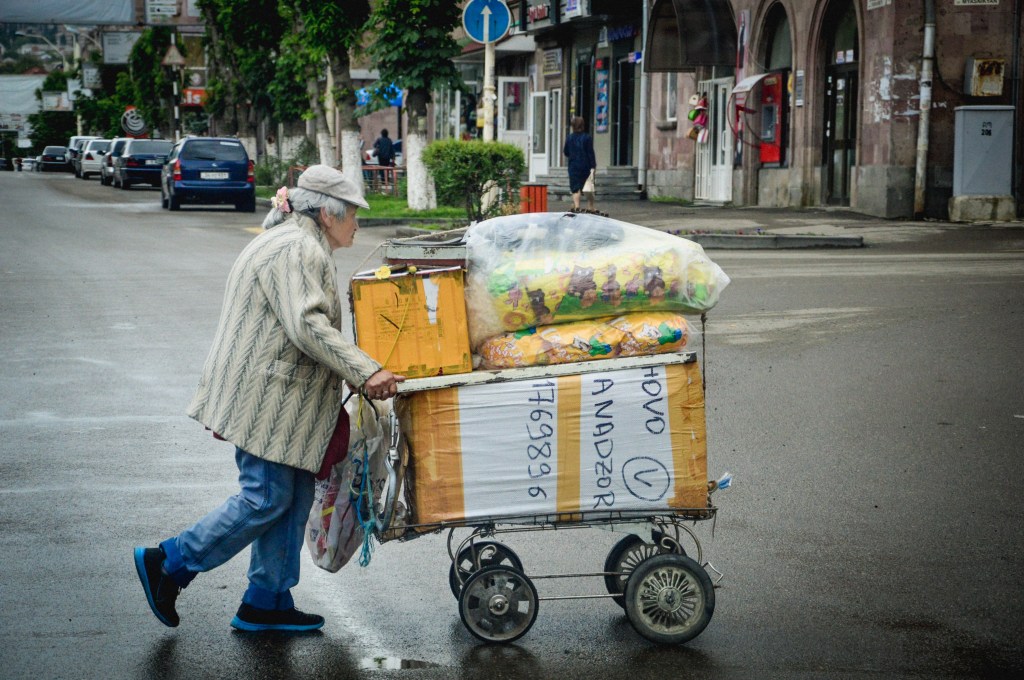
© Margarita Zakaryan
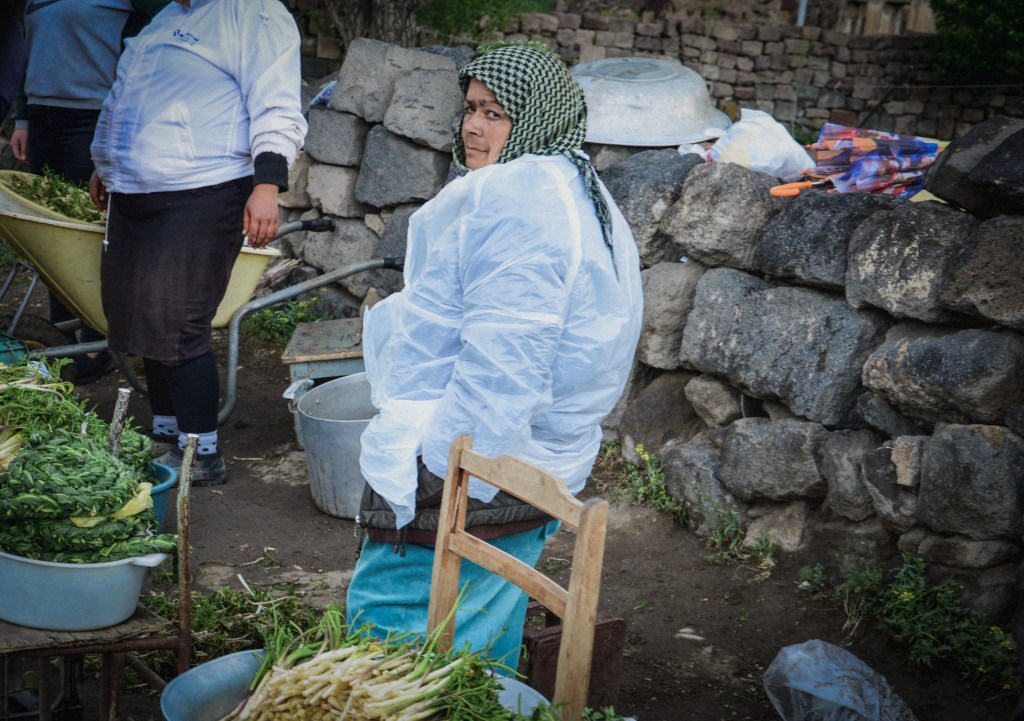
© Margarita Zakaryan
 Public Chronicle
People can be very, very wealthy with material things but suffer from spiritual poverty. Also, greed is not just a disease of the wealthy. I’ve known many poor folks who also suffer a spiritual poverty that leaves them jealous and resentful for things that could never fill the vacuum in their soul.
LikeLiked by 1 person